Thursday, April 25, 2024

Blog Post #11


Technology in the Modern World: Reflecting on Technology in my Life

      Looking and reflecting on life and its intertwining with the use of technology, I simply cannot picture life today without it. I have never been put in an environment without the use of technology incorporated in it. Technology is centralized in every corner of the globe, whether it is being through handheld technological devices, ways of communication, transport systems, or in the daily lives of the working force. Technology has an impact on everyone in todays society in a variety of ways.

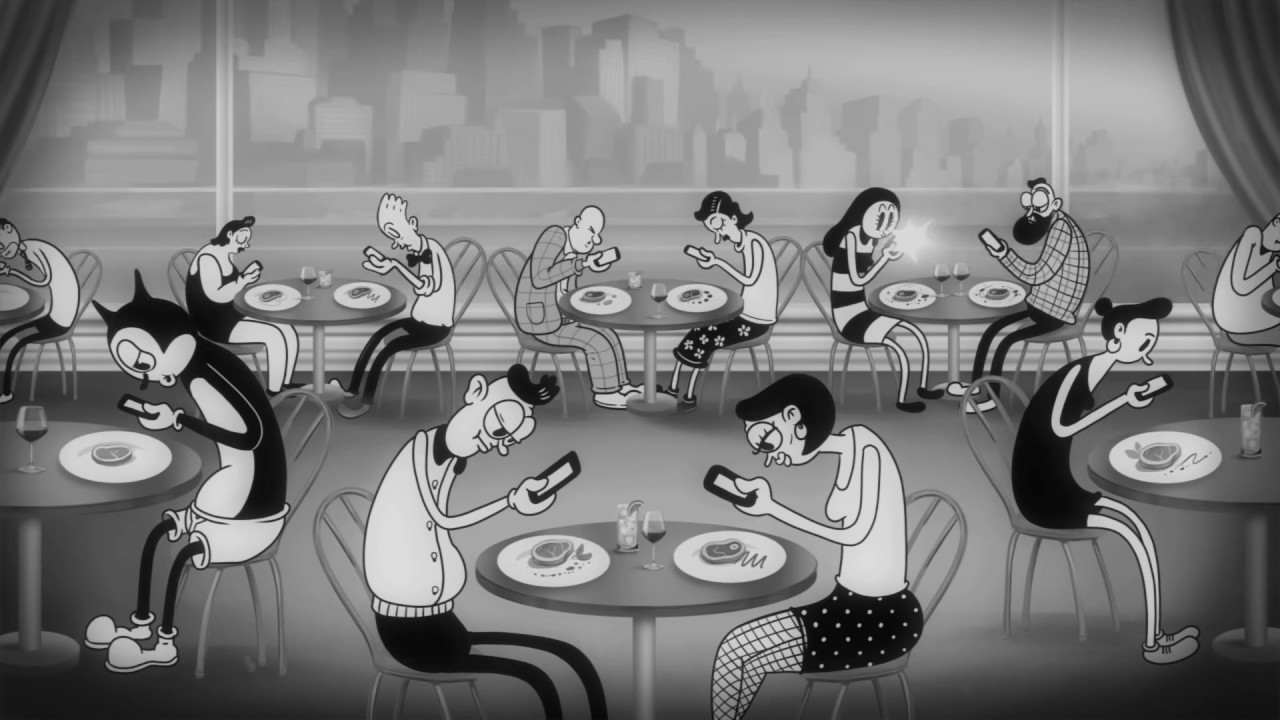
Throughout this course this semester, I have reflected and recognized how much technology has an impact on my life, personally. The Mad World Remix of Moby Video shown in class represents the dangers of technology and everlasting growth of technology and its takeover on us as a society in our modern world. In this video, it represents society as being glued to their phones, facing repercussions and showing a more negative light on technology in society. It recognizes that we as a society are so distracted by technology, that we have grown to become unaware of other things occurring around us.

   The relationship between technology and society can be reciprocal. Society drives change within technology whereas changes in technology and interaction with technology drives change in society. From tools to computers, technologies have allowed people to become codependent on technology and allow people to shape the physical world and shape it to meet their needs through the digital eye. Although technology improves the lifestyle of human beings, it is also a major concern for future generations. There have been many developing negative impacts of technology in society. According to DC Report, these negatives can consist of a commonly-found increase in unemployment, increase in mental health concerns, and increase in cyber crimes. Nowadays, there is very limited balance within technology or social media within society in the workplace, social interactions, and online safety, which is the reason for the downfall of our society in terms of technology.

For me, I personally believe that I do not have the best relationship with technology. I am on my phone way too much to the point where I wake up, look at my screen, get ready for bed, and look at my screen. I believe that applications of social media such as Instagram, Snapchat, and TikTok are the reason why my relationship with technology is so negative. Yes, it is a great form of communication and as a way to stay updated on current events, however, I view information that may not always be true, find ways of constantly comparing myself to others, leading e to thinking more negatively on myself and my life. This is commonly found among other people my age all over the world. Social media can have a very negative effect on mental health and self-confidence. However in some cases, technology has been a blessing- due to having family in other states, dealing with social change in the midst of COVID-19 just as a high-schooler at the time, and constantly finding ways of holding communication- yet keeping up with the world and important upbringings at times. Social media has had a mostly positive impact on my life and has helped me grow as a person in various ways. As a society, what needs to be understood in terms of technology is that it is not everything and it is not all we need in life to become the version of ourselves we are destined to become. The question we need to ask ourselves as a society is will we find the balance we need to survive or will technology weigh it down for the rest of our lives?


Sunday, February 25, 2024

Blog Post #10


Advancements in Technology Through Generations: Reflecting on Artificial Intelligence


After reflecting on all EOTO presentations in class, the one that stood out the most to me was based on the concept of AI. AI (Artificial Intelligence) is the intelligence of software, machines, and other technologies, equivalent to the intelligence of living human beings. This consists of computer systems that can perform tasks commonly but most notably performed by people, such as the basic human cognitive functions.


Examples of Artificial Intelligence can be considered through reactive machines, memory, and Theory of Mind. reactive machines can be used through the inner workings of AI in self-driven cars, stronger functioning machines in different industries such as the robotic servers (order placing and creating robots) in the restaurant industry. Whereas memory can be recognized in the study of AI through sources such as ChatGPT. Through this commonly found source, one can type something with a brief or extended description, looking for a result, and this source could respond back with whatever answer they may be looking for solely based off keywords and memory within the information represented through the technology. Theory of Mind can be found in this technology of AI through the capabilities behind the conceptualization of AI, and its decision-making and cognitive thinking comparing to the acts of a human being. 

AI is the next big thing, and will be the future of generations to come. From technological advancements today, to the potential for a complete change in communication, Artificial Intelligence is just one explanation for why and whats to come with the ultimate change in technology and the future of the takeover of the media in years to come.

Thursday, February 15, 2024

Blog Post #9


In the Age of AI


Over the past years technology has undergone vast changes of ways of communicating, improving quality of transportation, making games more fun, creating recommendations based on prior internet knowledge of media users, and creating a vast inventory of advancements, developing stronger success and more opportunity for future generations in technology to come!

After watching the full documentary of In the Age of AI, many pivotal moments of the creation of AI were developed and recognized. 

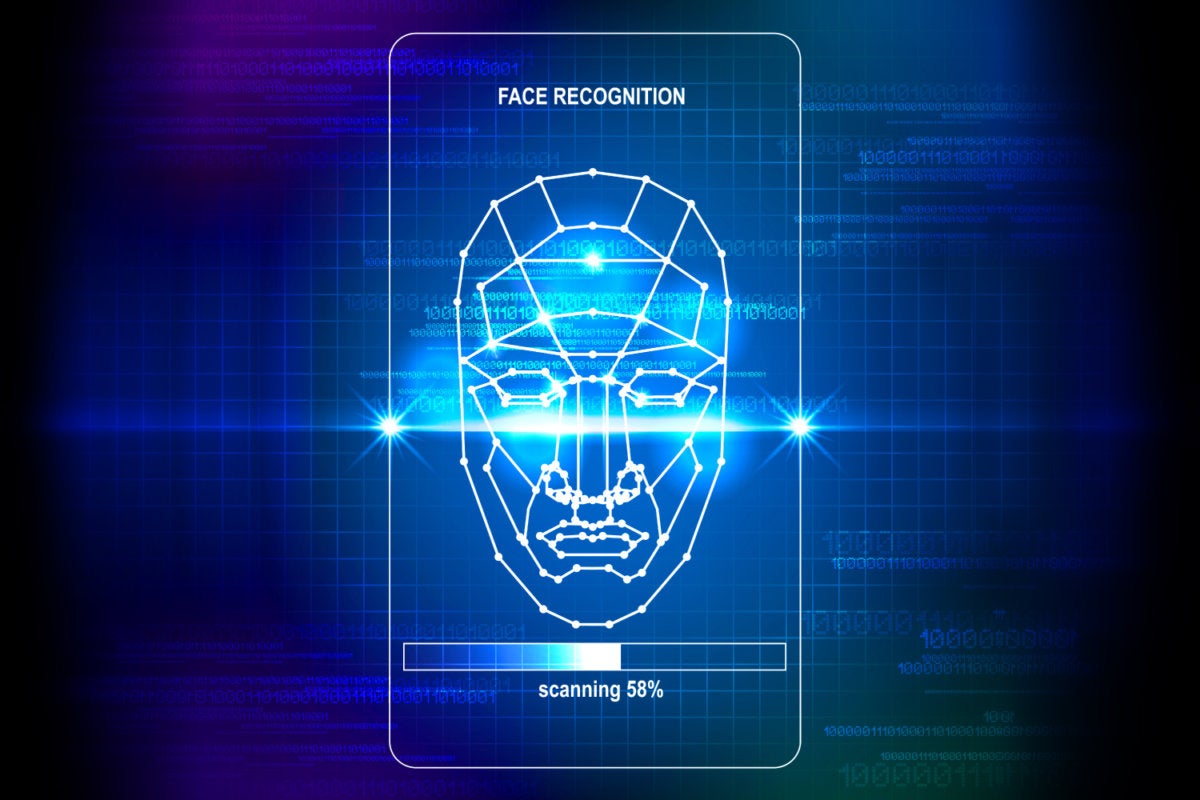
Furthermore, the development of facial recognition and development of data in the 'cloud' were addressed. Facial recognition is one of AI's most notable advances. Facial recognition maps and reads facial expressions through the details and symmetrical balance of ones face, further developing the use of privacy and security feature improvements, and any sort of technological recognition. 

Development of data stored in the 'cloud' is also a technological advancements as used under the creation of AI. This consists of resources that keep that overall cloud-based platform of people and businesses similar to one another. This helps provide and retain storage of information on any users profile, helping connect them with other applications and sources to set them up for other forms of success through technology. 


While there are many positive successes to the ideas of Artificial Intelligence in technology, there are many negatives and disadvantages that can be found within it. Furthermore, in the video In the Age of AI, the invention of self-driving cars are suggested and recognized. While this is a great alternative to what is considered preventing car accidents or roadside accidents, I personally believe it is not the safest or most successful prevention for these outcomes. This is because all people gain skills through practice. People self-teach themselves to do a math problem, do chores, to take on new hobbies, therefore making it understandable that people should learn to drive, and no vehicles should be powered by robotic technologies, to be on the road. There are difficulties of miscommunication, misreading, and much more advanced difficulties regarding other cars safety with robots behind a wheel, rather than an experienced (or soon experienced) human being. 


Blog Post #8


Looking through the Overton Window


Public opinion and politics have a reciprocal relationship, shaping and influencing the other over the years. Due to the effectiveness of these on society, the revolution of policy formation and legislation were introduced more assertively, election outcomes have had stronger influences, social movements have risen to seek injustices or advocate for greater change, and there have been broader cultural shifts redefining societal norms and values.


The Overton Window is a model for understanding how ideas in society change over time and influence politics and affluences in society. It can also be known as the "Window of Discourse", generating the spectrum of ideas on public policy and social issues accepted by the general public. The Overton Window itself can shift and expand based on the evolution of societal values and norms. This theory is named after Joseph Overton, a former vice president of the Mackinac Center for Public Policy, who first articulated the concept in the 1990's. The Overton theory was named after him, after dying in a plane crash in 2003.

Mr. Overton found a strategic way of ranging policies on a brochure model. The brochure listed the range of these possible policies on a single issue, from least to most government intervention.  Only part of the range is achievable, and when Overton moved his slider, different policies fell into what he called the window of political possibility.

This theory is used often in discussions about policy proposals. For example, if a political idea falls outside of the current range of acceptable public opinion, it may be difficult to gain support for it. However, if an idea falls within the current range, it may gain better attraction and have more of a chance of being developed into a policy proposal. 


According New York Times, The key is that shifts begin with the public. Overton argued that the role of organizations like his own was not to lobby politicians to support policies outside the window, but to convince voters that policies outside the window should be in it. 

Certain public policies and norms that can generate activity within the idea of this window are topics such as marijuana legalization, universal healthcare, climate change, same-sex marriage, criminal justice reform, and minimum wage and economic policy. 

An example of the Overton Window in society today that has had impacted society greatly is the growing support for same-sex marriage. Support in the United States for same sex marriage has catapulted into the Overton Window of not just political possibility, but legal feasibility, being now legal in all 50 states. Studies show Democrats' support of same-sex marriage has grown 50 percent since 1996 — the most among political party groups.

It can be recognized that the theory of the Overton Window has had a vast impact on all individuals in society today. Without this theory, public opinion would not be displayed as vividly, and widespread media would not be as affluent to all individuals in todays society. The impact of the policy is something that will carry on for future generations to observe.

Blog Post #7


Unveiling the Stealthy Overreach of Digital Privacy

In today's digital age, our own personal data individually and as a society is taken and kept away through ways without user's knowledge. From new technology and forthcoming changes to the use of cookies, government privacy within technology, and learning to live with the AI's use of data, it can be understood that there is no such thing as true privacy in the digital age.

From the videos showing in this weeks assignment, the issue of email protection was raised. In the Ted Talk, it recognizes that within a lifetime of having emails, sending emails, and receiving emails, this tells the government about more than just your email. This can be in regards to things you like, people you contact, and it even gives your computer the key to your data. This can be done without the user even knowing.


Issues like these raise concern for society and may affect us in many ways. An article written by Medium states that with the increasing use of social media people are willingly sharing their personal information, such as their name, address, phone number, credit card information, etc. This information is then used by companies for targeted advertising and data mining. The problem is that this personal information can also be accessed by hackers and other users, who can use it for identity theft, fraud, or other crimes.

As for ways the government should be handling the security of private information used through technology, I think VPNs should be provided in the installation of all applications to keep all personal data, even location services unrecognizable or unseen. This would help eliminate malicious online actors and improve cybersecurity.

The best possible way to protect ourselves from invasions of our privacy is to change passwords for most things, use VPN's, use credible sites, do not click on advertisements, and make sure you keep all personal information private, without saving passwords or hints about yourself on your device. These are the best ways that can mostly ensure your personal device-use and privacy.

Sunday, February 11, 2024

Blog Post #6


Progression: Tracing Antiwar Voices from the Progressive Era to Today's Digital Backgrounds


In today's society, finding and consuming media is done much quicker and convenient than in the previous years of the media. News is spread through various platforms, headlining some of the biggest stories, recognized rumors, and passing information through different generations of the public within all different approaches. Media has gotten so rapidly spread, creating various perspectives on situations and popular occurrences, causing controversy and false reports within society. 

In topics such as war and military operations within the United States and the entirety of the globe, media can be recognized for having strong antiwar voices that can rarely be heard or seen on mainstream news media. Personally, I am not sure of why exactly it is so hard to find such important knowledge on news such as this, however after being raised with this prompted question of 'why not?' I have considered a few major reasons as to why information that can be shared by strong antiwar voices are not headlines or represented in our mainstream news as part of our society, today. 

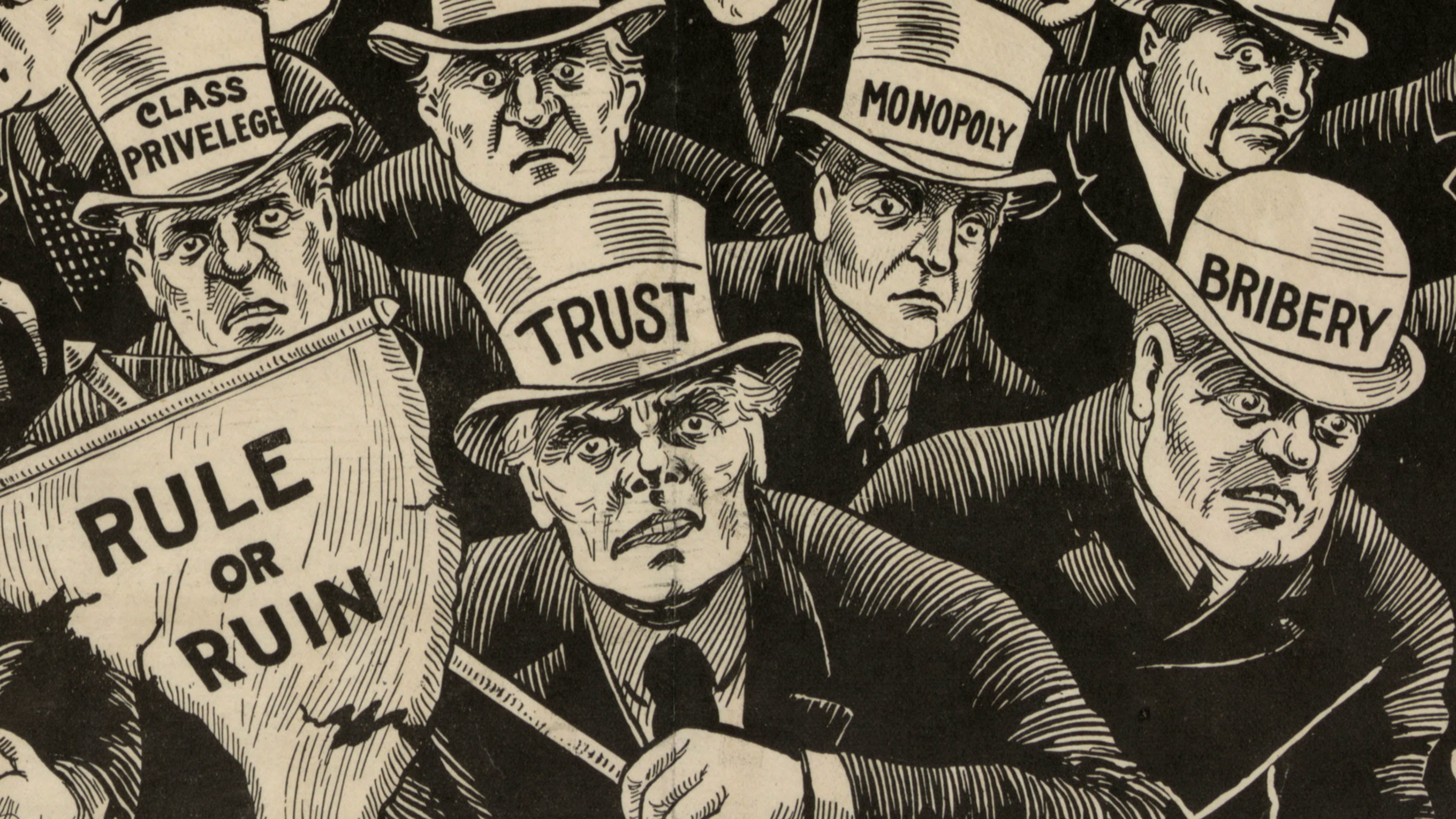
Trust- a firm belief in the reliability, truth, ability, or strength of someone or something. Now a days, our media is bias based on viewers perspectives or credibility and trust it consumes from the public. The fortunate yet unfortunate thing is, the media either tends to trust the viewers, or the viewers trust the media. The idea of bias is so rapidly consumed within the perspectives of journalists and the media in general, that the idea of actual knowledge or facts that are being consumed are taken for granted and unheard for its meaning. According to Washington State University, bias can be affected by the way journalists and writers characterize facts, decisions on what stories or facts they may cover, and the amount of time and space they use to cover facts. Media bias is one hundred percent a factor of what makes such important information so hidden and hard to see from the world. News sources are known for making an impact on viewers opinions and causing bias from all parties of government. However, what is said is not always true, and opinions are quickly turning into facts due to the way word-of-mouth gets around impacting what the public wants or does not want to hear.

Journalist, Robert Jensen recognizes anti-war voices and society. He suggests that to many people in the news media, when the antiwar movement agrees on certain principles, criticism is unleashed and thought that the movement is known to read the first and last lines of the article, and nowhere between the lines. This represents distrust and disrespect of the importance of this information, with its given little coverage in the news.

As for exactly why anti-war coverage is not spread within major mainstream headlining news, it is unknown. However, trust and knowledge within an organization is a leading factor as to what possibilities may be the cause for it.

Wednesday, January 31, 2024

Blog Post #5


Revolutionized Connections: A Journey Through the Evolution of Communication Innovations


Communication has had a significant amount of changes that deserves designated recognition to reflect upon. From the evolution of communication from the use of carrier pigeons to the news trends of today's age such as the use of the iPhone or now trending brands such as Netflix, communication has developed vastly in a variety of ways, recognizing the importance of communication and what makes it possible in todays society.

After listening to the class presentations, there were two presentations that sparked my interest, representing change in the technological advancements and overall growth of societies communication sources. For starters, carrier pigeons were used from the Middle Ages to the 1800s as a form of communication with commerce, navigation, and especially as a way of contacting the military. Many residents sent messages by pigeons in balloons in such significant occurrences of history. Carrier pigeons were originally bred and found to be trained to deliver messages. This occurred while using a magnetic internal compass inside of the pigeon to help navigate them to whichever direction was intended.

One thing I learned from the presentation in class that I did not already know is that carrier pigeons are referred to as "Homing Birds". This is due to them having what is called "homing" instincts, meaning whoever bred and trained them, or has had a brief interaction worthwhile the pigeons senses, the pigeon will easily find itself back to or toward the person it had its previous attachment to. This is similar to the example of babies being attached to their mother and father at first touch of skin, and an instant attachment bonding them for life right after birth. Aside from their quick and observant attachment style, carrier pigeons have precise strength of eyesight, hearing, and smell, making them even more adaptable, clever, and reliable in terms of what they were used for and why they were so efficient with it.

It can be understood that a lot has changed in the world's way of communication since the carrier pigeon days. One of the most changes in todays society is the creation of the cinematic picture, and certain brands and platforms that now allow movie-watching access at someones ease and viewers best convenience. Netflix is an American video/movie streaming service. This platform distributes a wide variety of award-winning TV shows, movies, and more. With just the purchase of a subscription plan, anyone can watch any picture show of their choosing, from the comfort and convenience of their own home, car, or destination of their choosing on both a television, computer screen, mobile device, or any other device that allows the installation of the application!

One thing I learned from the presentation about Netflix that I did not already know is that the two creators, Marc Randolph and reed Hastings originally did not intend for Netflix to be a streaming service of this current manner. Netflix was originally launched in 1998 as a direct delivery DVD mail subscription service site. VHS were first considered, then the higher costs were recognized and the DVD use was discovered and begun to be used. The company is known for firstly working in this manner, but soon developed into what is now one of the most successful streaming services with over millions of subscribers to this day.

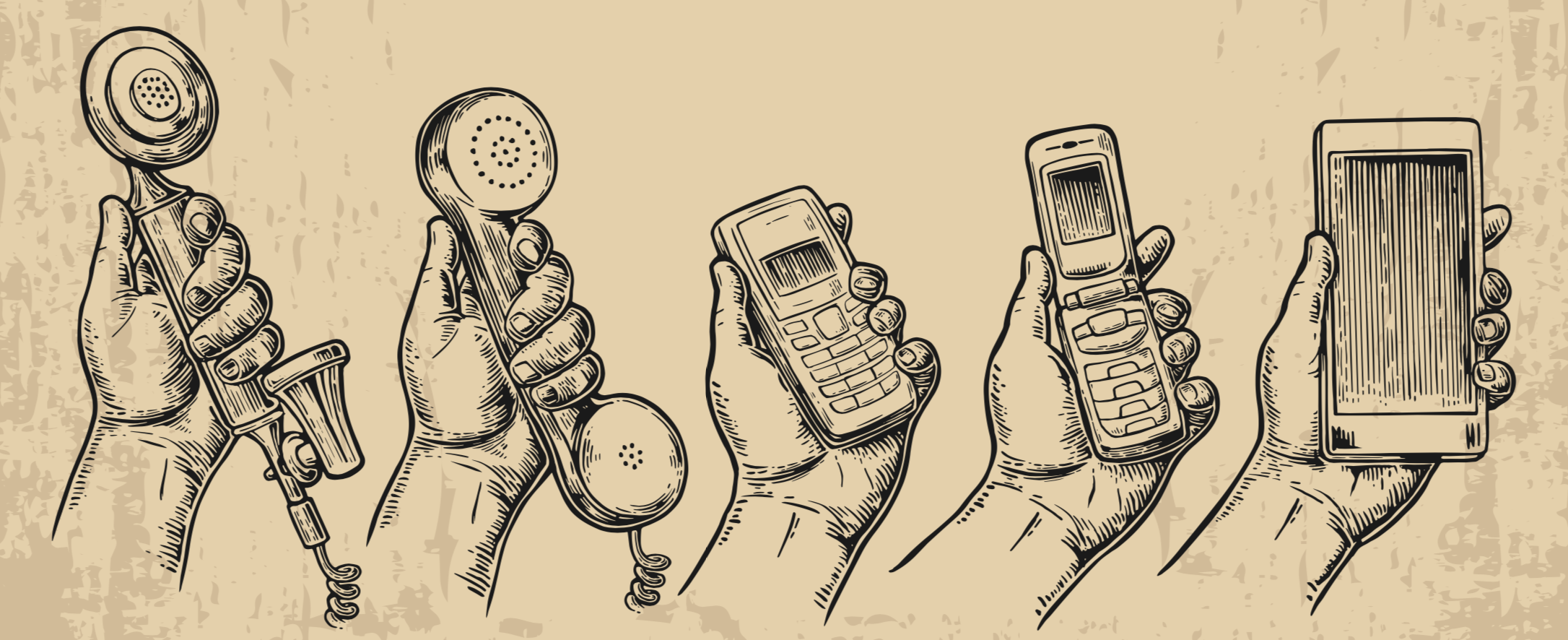
As stated, sources of communication have grown enormously, causing immense change in todays society. Pigeons became SMS messages, letters became emails, newspapers became the internet, and telephones became smartphones. The internet and such strengths behind new and improved technologies such as these have created communication changes in the way we work and live. Overall, our newest technologies have made it easier for people to connect with one another regardless of location- and simpler to live simple.


Tuesday, January 30, 2024

Blog Post #4


 Sparking the Information Age: The Invention of the Telegraph and Its Global Impact


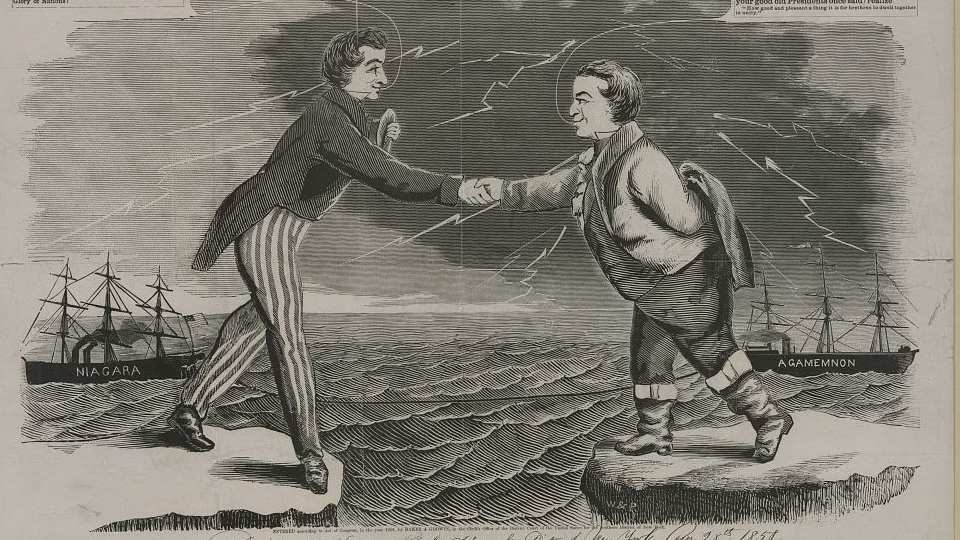
   The printing press was the first big communication-oriented innovation until the creation of the telegraph was developed. While printing with the printing press continued to offer the opportunity for mass messaging for years even after the creation of the telegraph, the telegraph offered stronger, greater, and more vast opportunities, especially for enabling instant communication over vast distances for the first time in history. In the early days of the Industrial Revolution, there was a growing desire for more faster and reliable communication sources for businesses between government offices, especially due to mostly being located far distances apart. 

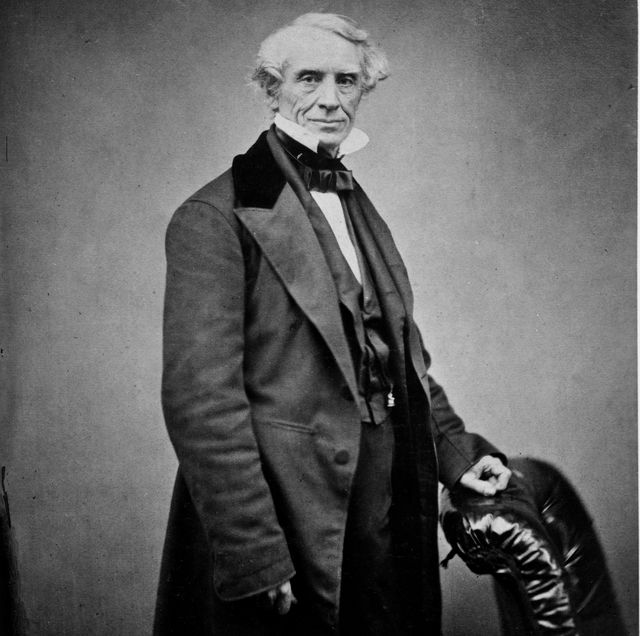
Samuel Finley Breese (F.B) Morse is the name behind the collaboration to the inventing of the single-wire telegraph system between 1832-1835. His reason for inventing the telegraph was after overhearing a conversation about electromagnetism when he was traveling to the United States from Europe on a ship, that inspired his idea for this creation. He had no training in knowledge of electricity, however he did realize and understand that pulses of electrical current could convey information over wires. The telegraph was first developed and begun working on in the year of 1832. Morse developed and finalized the patent for this first electrical recording telegraph in the year of 1837. 

During this time of innovational importance and growth for Mr. Samuel F.B. Morse, he decided there was a need for a simpler use to this telegraph, to potentially make communication even easier than this. Morse collaborated with his dear friend, Alfred Vail, and invented the Morse Code (1838). This is a system for representing alphabetical letters, punctuation, and numerals, within the arrangement of dashes, dots and spaces. This was looked at as a way of sending and receiving text messages using short and long beeps. Using this code allowed for transmission of detailed messages across telegraph lines (within those further distances). 

While the invention of the telegraph was soaring, it began very much necessary and quite impactful during this era. While the Industrial Revolution was in occurrence until 1840, the telegraph was one of the greatest industrial upbringings. The telegraph was beneficial in ways of being used to facilitate growth in the railroads, merge the financial and stock markets, and reducing costs between firms such as those. It had a great impact in both the world of innovation and business.
Not only was it beneficial for businesses and during the era of Industry, but it also had vast impacts on the results and accessed advantages in the Civil War (1861-1865). Besides being know for its rapid release of information, telegraphs worked to allow newspapers and government officials to act on occurrences much faster during the war, and even the enabled railroads to allow front lines to be filled with forces of troops and necessary supplies, at a quicker, more efficient rate.

Furthermore, with the ability to access telegrams during the war, military campaigns and fought battles were more efficient at a stronger advantage. According to the History Channel the telegraph allowed generals, even the President to have more reliable ways of contact with the war and being able to issue commands and direction of forces more precisely. 

Though the telegraph can be recognized for achieving many unthought of possibilities and shares extreme growth in the history of communication, there are some disadvantages found within this form of communication technology. For starters, messages could easily be misunderstood. Simply miscommunication. This happens in all forms of communication even today. Thought the telegraph was a killer piece of technology for this time and benefited so much growth with the American culture, mistakes could be made and communication could be misunderstood. Another notable disadvantage of the telegraph was the overall complexity of the Morse Code. Morse Code was an amazing use of language to potentially help make the transmission of messages clearer through the use of the telegraph, however the code itself was tricky to understand and even harder to interpret, so that made many people tend to avoid it. Especially, with both these disadvantages at stake it would be better to receive no message than a misunderstood, falsely interpreted message- especially if it were in a situation political or financially-based. 

Despite the telegraphs disadvantages that impacted our history and newest forms of communication in society today, the telegraph represents overall positive change in growth of communication to this day. The telegraph transformed how wars were fought, how money was sent, how media impacted business, and so much more. Rather than sending news by pigeon, or horse and taking weeks for it to get there, or by not communicating throughout lines to access shipped goods and supplies through railroads, communication would not be where it is today without the innovation of the telegraph.

Sunday, January 28, 2024

Blog Post #3


The Value of Expression and Tolerance in Society


Free expression is the American right to express one's thoughts and to be able to communicate freely despite others opinions, actions and thoughts. This value allows each American individual to realize and use their own human identity. One of the eight values of our right to free expression is to promote tolerance. Whether it is tolerance of speech or action, its effectiveness gives in its ability to channel controversial disagreements toward productive societal changes. Free expression characterizes the level of tolerance that society allows individuals to use in their willingness to voice conflicting opinions or statements.

One of the eight values of free expression being to promote tolerance, includes promoting the tolerance of speech and expression such as crucial acts of hatred including the topic of hate speech. Hate speech can be detrimental to individuals in society, but we as equal individuals should understand that promotion of tolerance toward hate speech does not protect us within the government from criticism. The people in society can manage their own speech themselves. This is the idea of self-control in knowing that society is strengthened by refraining from such acts of cruelty, and practicing the exercise of tolerance.

Furthermore, as stated by Lee Bollinger "The First Amendment needs constant minding in order that its full meaning be preserved." Continuing, Bollinger has explored free speech issues while examining various studies in law, extremism, obscenity, and public access to mass media. Bollinger argues that hate speech should be protected, and the government should not have to shield us from it. He explains that all humans should be capable of expressing their opinions whether involving criticism or not. Bollinger believes hate speech is critical to display in society because it acknowledges individuals in society communicating with the government, knowing that all humans are given the right to speak their opinion.

Promoting tolerance in society is important to understand because while individuals are allowed to express themselves through saying whatever they want to say (with their own right), it can make individuals and institutions more open to ideas and actions they may originally have disagreement with. In terms of examples of this, social media has a lot to play into some crucial and controversial ways of spreading criticism and such hateful expression. 

Social media is a platform where anyone can represent and share with the world, however, it may be taken out of hand, too easily. Twitter, for starters. In a CBS News article, it is recognized that Twitter saw an immediate spike in hate speech after Elon Musk took over. Twitter's staff looked at tweets within his first twelve hours of ownership and saw vulgar and hostile use of rhetoric comments at people based on their race, ethnicity, and sexuality. Such vulgar language can be so easily abused on such a simple and easy-to-use platform-which is unfortunate in regards to the vast population and demographic of users in today's generation. Social media can take such little doses of information, and spread within a matter of light- speed. Posting on such prevalent platforms of social media, can cause more harm since there are far more repercussions of a generally large population of viewers, who will see the post, and either strongly or disagree with what is said. Everyone is allowed to express their opinion, which is understood. It is just a matter of who is listening to it and if they feel like they need to benefit from listening to it. In reality, promoting tolerance is thought of and meant to allow individuals in society to say whatever they want to say, with the repercussion of knowing there is disagreement.

However, out of the eight values of free expression, I find the idea of Individual self-fulfillment to resonate the most with me. With this free expression, it gives all individuals in society the ability to express themselves and create their own identity. This can be started with the natural given right to form your own beliefs and opinions AND the right to express those beliefs and/or opinions. Overall, the purpose of society is to allow all individuals to promote the welfare of ones self-fulfillment, meant for each person to be their own person, while accepting that from others. Not only does this value create individuality for oneself and the idea that all individuals in society are equal, but it is meant to allow everyone to be their own person, have their own values, and express their own rights. This is what makes everyone in society equal, while making everyone in society different from one another too.

Monday, January 22, 2024

Blog Post #2


Behind the Bench: Exploring the Intriguing History and Inner Workings of the United States Supreme Court


It can be recognized that the U.S Supreme Court is the highest court and holds the highest, overruling power in the federal judiciary of the United States. However, after watching the video and reading the Historic overview from the History Channel, I have gained a stronger understanding of its history and importance. 


One piece of information that I did not know since before reviewing this video and reading the overview is that there was only one Justice that was ever impeached. This information is intriguing to me because to be quite honest, I had no clue that the only way that someone who holds place as Supreme Court Justice, can only ever be removed by being impeached. I did not know this, and am yet surprised that only one has ever been impeached (Samuel Chase, 1805).
The most important takeaway from this video about the Supreme Court is the entire process of voting in the Supreme Court. The Senate Judiciary Committee votes to send an official nomination to the senate. To pass and confirm the nominee, the official full senate votes. This occurs by the senate holding a series of hearings with the nominees, The official vote involves a majority vote of the senate to pass. This is the most important take-away in my opinion because I did not know that the nominee has to pass hearings and go through an entire entry-like process before even being officially considered to vote. I had thought only the senate would have hearings and reject or accept the nominee. I did not know that there is an entire committee involved prior to that decision. This intrigues me because it is so interesting to find out that there is so much more unseen or unheard of acts that occur within the duties of power and getting there.


The most surprising information I learned is that there were not always nine Supreme Court Justices appointed. This surprised me because I did not know that George Washington had originally specified that the court would have six justices. I had no clue that there had been nine appointed only since 1869. 

The information from the History Channel changed my perspective on the Supreme Court and opened my eyes to see all the good that they do, enhancing my knowledge and respect for them. Recognizing how they are set solely on our Constitution, helps me see the bigger picture of the Supreme Courts loyalty and the capabilities it has for our country. When the Supreme Court rules on a Constitutional issue, that judgment is final. 


Tuesday, January 16, 2024

Blog Post #1


Navigating the Digital Age: My Top Five Platforms for Staying Informed and Connected


 In today’s society, sources of information differentiate and spread in a variety of ways. While people view and share information through only a few sources of media or access to information, I can confidently say that I only access and use information through the use of five sources. These sources are through the use of social media.


1. Instagram

I gain access to adapt to and share information through the use of Instagram. I enjoy finding information through Instagram because is simple, and fit to satisfy each users liking. Instagram is used by sharing posts or comments that are suggested by mutual followers or friends, and Instagram has features such as showing information with you and your account based on who you follow, what types or categories of photos or videos you interact with, and what is suggested for you based on what your most common interests are.


2. LinkedIn

I also access news and most sources of information through LinkedIn. LinkedIn is a professionally-based app which directs potential students, employees, job hunters, and career matchmakers to find what they are looking for, whether internship or career path. This is a great way to meet professional and/or academic connections, whilst keeping updated in current business information, large corporate business news, or even small advertisements for companies looking for employees. I usually use LinkedIn to help me expand my network and find fellow students or peers in the same career field as me, as inspiration or idea of what next steps I should take for potential future possibilities.


3. TikTok

TikTok is one of the biggest and most popular social media platforms that the general population uses as a source to access and network information today in society. The rapid increase of TikTok users today have lead to results of consistent decline of of journalism engagement and news engagement in other social media platforms such as Facebook and X. TikTok has similar features to Instagram whereas viral and suggested videos based on the account owners interests are shown, and any popular or most-commonly streaming videos are represented and reposted, spreading the information and video footage of any new information or news more vastly to larger populations of the brands users. 


4. Snapchat

I use Snapchat as another way of accessing and sharing news. Snapchat allows accessibility to group chats, texting, picture taking and receiving, and news article tab features. Usually when swiping left on the Snapchat application, all Snapchat users have access to a variety of different news articles separated in multiple gridded segments that can easily be scrolled through. In these news article tabs celebrity news can be found, sports news, current happenings across the nation, controversial scandals, and more commonly recognized situations that are recognized in any other media channel. Not only is it a great way to gain access to important information, but it is also a great way of keeping mutual connections.


5. Word-of-Mouth

As my fifth and final source, hearing informative news through word-of-mouth is the most commonly source of news and information in my life. I grew up with a very opinionated family upbringing so I usually hear any political, widely controversial, or most significant worldwide news through word-of-mouth through my personal life when I am home with my father, mother, and my two brothers. I hear different perspectives and take on information based on who I am talking to, their personal beliefs, and how they heard and/or are displaying this information.

Blog Post #11

  Technology in the Modern World: Reflecting on Technology in my Life        Looking and reflecting on life and its intertwining with the us...